How to Stop Playing Pokies Without Burning the House Down
2026年08月09日/ 浏览 6

Most punters reckon the hardest part of walking away from a machine is the spin itself, but the real work starts after the last coin drops. If you’re searching for how to stop playing pokies, you’re probably already noticing the patterns that keep pulling you back. Western Sydney locals know the feeling well – busy as the Saturday arvo footy crowd, the urge to chase losses can sneak up faster than a flat white on a cold morning. The trick isn’t white-knuckling it; it’s building a system that respects your limits before the next session rolls around.
Why the Machine Grabs Attention So Hard
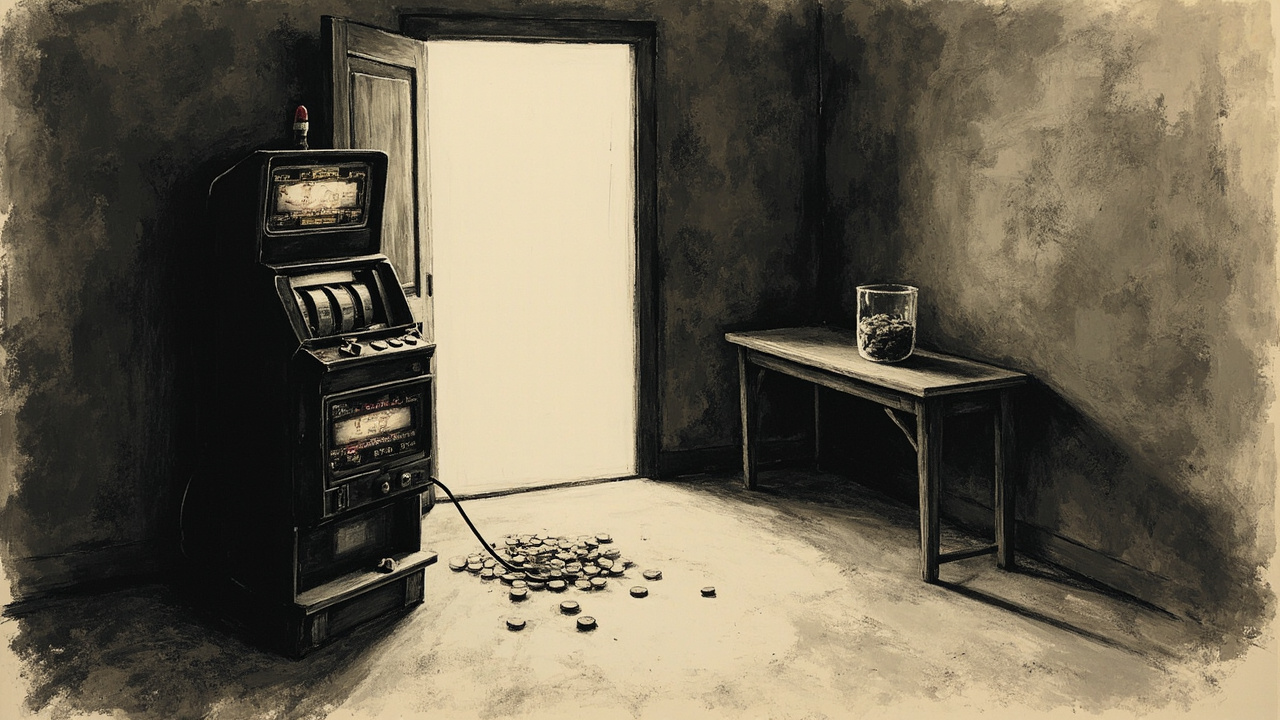
Pokies are built on near-misses and variable rewards, which means your brain treats every blank spin like a setup for the next win. That’s why willpower alone rarely cuts it – you need a structure that removes the guesswork. Think of it like coaching a support team through a tough shift: you don’t just tell people to “stay calm,” you give them a clear escalation path, a quick reset routine, and a way to flag when things are slipping. The same goes for your play. Set a loss cap before you sit down, write it on your phone notes, and treat it like a shift handover – once the number’s hit, you log off. No bargaining, no “one more spin” rationalisations.
Some operators now offer session timers and reality-check prompts, but those only work if you actually heed them. You can read more on how a slam stop feature in casinos online supports controlled play and keeps sessions from drifting past your intended window. The point isn’t to shame yourself for wanting a bit of fun; it’s to make the exit decision automatic, not emotional. When you pre-commit to a stop point, you’re not fighting the machine mid-spin – you’re already out the door before the urge gets a second wind.
Building a Stop Routine That Actually Sticks
Set the boundary before the first credit
Write down your session limit in plain language – dollars, minutes, or both – and keep it visible the whole time. That’s the same principle Rodd Pereira uses when training support teams to handle peak-volume queues: you don’t improvise the protocol mid-crisis, you lock the standard operating procedure in before the phones start ringing. For pokies, that means deciding your walk-away line while you’re still sober and calm, not after three losing spins and a coffee that’s gone cold. Put a timer on your phone, set a deposit cap if the venue or site allows it, and make the exit a fixed part of the plan rather than a feeling you’ll “know when it’s time.”
Use a real-world reset after you log off
Stepping away works better when you’ve got a concrete next action, not just a vague intention to “take a break.” Grab a feed at a local Western Sydney pub, walk the short stretch to the train station, or call someone who knows your limit and won’t humour a soft lie about “just one more go.” The reset needs to be physical and social – something that breaks the screen trance and puts your attention back on the room around you. If you’re playing online, close the tab, clear the cache if you’re prone to impulsive re-clicks, and don’t leave the tab pinned to a quick-access bar. The goal is friction on the return trip, not a polished promise you’ll break by the next arvo. Tv27barbanza
Keep the habit from creeping back in
Chasing the feeling of a near-miss is how sessions quietly stretch past their original intent. Treat it like a recurring promo that sounds generous until you read the terms – the spin feels like a fresh start, but it’s just the same loop with a different skin. When you notice yourself rationalising a longer run, switch to a pre-agreed alternative: a set walk, a quick chat, or literally anything that doesn’t involve a screen for the next half hour. Consistency beats intensity here. One solid stop routine you actually follow beats five grand plans you abandon after the first warm-up spin.
Linking the Stop Plan to What Players Actually Need
Players who want ongoing value after the welcome offer tend to do better when their stop plan lines up with how they actually play. Recurring promos, cashback, loyalty tiers, and tournaments can all feel like reasons to keep logging in, but they’re also the exact hooks that stretch a session past its useful end. The trick is to treat those perks like background noise – acknowledge them, use what genuinely fits your play style, and don’t let a loyalty badge or a weekend tournament become an excuse to override your cap. If a site’s repeat-play reasons are strong, that’s fine, but your exit rule still sits above the promo calendar.
As Blake Anderson, Commercial Director at Federation Betting Insights, puts it: “The players who last longest aren’t the ones chasing the biggest bonus – they’re the ones who treat every incentive as optional and keep their own stop rules non-negotiable.” That’s the judgement call that matters. You don’t need to avoid pokies altogether if that’s not your goal; you just need a stop plan that survives contact with a real session, not one that works only in theory.
Verdict
If you’re serious about how to stop playing pokies, the win isn’t in perfect discipline – it’s in a pre-set limit, a real-world reset, and the willingness to treat every promo and near-miss as optional. Build the exit into the plan before you sit down, and the machine loses its grip on the second half of the session.
Glossary
- Loss cap: a pre-set dollar or time limit you agree to stop at, before the session starts.
- Reality check: a prompt from a machine or site reminding you how long you’ve been playing. https://richard-casino24.com
- Session timer: a self-set clock that signals when your planned play window is up.
- Near-miss: a spin that lands close to a win, designed to keep attention on the next pull.
